New install or upgrade: what makes sense for your commercial electrical system?
Knowing when to replace and when to refresh
Every business that operates from a physical space depends on its electrical system to keep production running, equipment powered, and people safe. Over time, changes in energy demand, new machinery, and evolving safety codes can push an older installation past its original design limits. At that point, a decision arises: should you plan a full new installation, or can an upgrade of the existing system handle what you need? The answer depends on the condition of the current infrastructure, the nature of the load increases, and how the building itself is used.
Understanding what an upgrade can do
An upgrade typically means replacing or adding components within the existing electrical system. This could involve swapping out an electrical panel for one with more capacity, adding a new branch circuit for a piece of equipment, or upgrading the service entrance to handle a higher current rating. Upgrades are often the first option explored because they usually cost less than a complete replacement and can be completed with less disruption to daily operations.
For example, a commercial kitchen that is adding a new oven may only need a dedicated branch circuit and a small increase in the panel rating. A warehouse that is installing LED lighting throughout may reduce its overall load, so no panel change is needed at all. In both cases, an upgrade fits the situation well. The existing conduit, distribution board, and much of the wiring remain in place, saving time and material.
One common scenario where an upgrade works is when the building itself is in good condition and the electrical system has been maintained. If the existing conduit and wire are sized adequately for the new load, and the panel has spare breaker slots, the work can be relatively straightforward. Code compliance is still required, but the scope is limited to the changed portion of the system.
When a new installation becomes necessary
A full new installation means replacing the entire electrical system from the service entrance down to the outlets and equipment connections. This is a major project and is usually driven by one of several conditions. The most common reason is that the existing system is simply undersized for the current or planned load. If the main electrical panel is operating near its maximum rating and the load is still growing, adding more circuits without expanding the main service is not safe. In such a case, a new service entrance and a larger distribution board are required.
Another reason is age and condition. Older buildings often have wiring that is not rated for modern loads, or that uses insulation types no longer allowed by current codes. If the conduit is rusted, the wire insulation is brittle, or the panel is a type that is no longer supported, then piecemeal upgrades become impractical. In that situation, it is usually more efficient and safer to start fresh.

Changes in building use also push the decision toward a new installation. A space that was originally an office but is being converted into a light manufacturing facility will have very different electrical needs. The load capacity, the number of branch circuits, and the layout of outlets all change. Trying to upgrade the old system to match the new use can be like fitting a new engine into a car frame that was not designed for it. A new installation gives the flexibility to design the system from the ground up for the actual energy demand.
The role of load capacity and future planning
Load capacity is the central factor in this decision. Every commercial electrical system is designed for a specific maximum current. Once that limit is approached, adding more load without increasing capacity is unsafe. A qualified electrician can calculate the existing load and compare it with the panel rating. If the panel is near its limit, the next step is to see whether the service entrance and feeder wires can be upgraded to a higher rating. If they can, an upgrade may be possible. If not, a new service entrance is needed.
Future planning matters just as much. Even if the current load fits within the panel capacity, consider what the business might need in the next five years. Adding a few more machines, expanding the floor plan, or moving to electric heating can all tip the balance. An upgrade that barely meets today’s needs may leave the business in the same position again soon. It can be worth spending a little more now on a system that has room to grow, whether through a larger panel or a new service entrance sized for future loads.
Code compliance and safety considerations
Electrical codes are updated regularly, and older systems that were perfectly safe when installed may not meet current standards. A renovation or upgrade often triggers a requirement to bring the affected parts of the system up to the latest code. In some cases, the entire system must be brought into compliance if the work is extensive enough. This can make a full new installation more practical than a series of upgrades that each trigger new code requirements.
Safety is another reason to lean toward a new installation when the existing system shows signs of wear. Flickering lights, frequent breaker trips, warm outlets, or a burning smell near the panel are all signals that the system is stressed or deteriorating. Those symptoms should be investigated by a professional immediately. If the underlying wiring or panel is damaged, an upgrade may not be enough; replacing the affected sections is the safer path.
How the building itself influences the choice
The physical structure of the building plays a big role. In a building with accessible conduit runs and open ceiling space, running new wires or adding circuits is relatively easy. In a finished building with drywall and limited access, the cost of running new conduit can be high. If the existing conduit is too small for the larger wires needed, then pulling new wire through it may not be possible. In such cases, a new installation that uses surface-mounted conduit or a new route may be necessary.
Similarly, the age of the building matters. A structure built before the 1980s may have wiring materials and practices that are no longer standard. For example, older panels may use fuses instead of breakers, or wiring may be aluminum rather than copper. Those systems can be upgraded, but the cost and complexity often approach that of a new installation. When you consider the improved reliability and safety of a modern system, the choice becomes clearer.
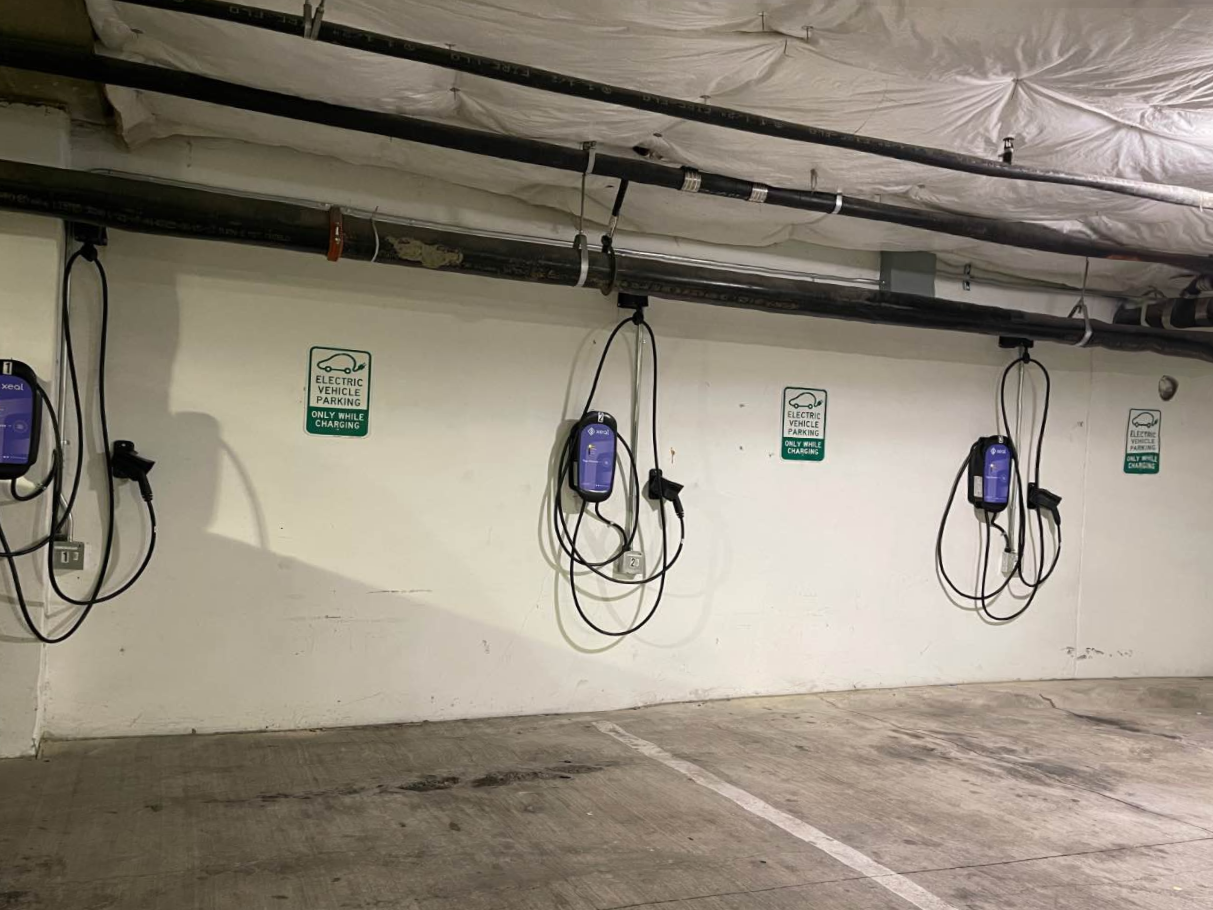
Comparing the two approaches side by side
When deciding between an upgrade and a new installation, it helps to weigh the trade-offs. An upgrade is generally less expensive and faster, with less disruption to the business. It works best when the existing infrastructure is sound and the load increase is modest. A new installation is a larger investment upfront, but it offers a clean slate, full code compliance, and the ability to design the system for the exact needs of the business. It also eliminates the risk of hidden problems in old wiring.
One way to look at it is this: if the existing system is like a reliable car that just needs a bigger engine, an upgrade makes sense. If the system is like a car with rusted frame and failing brakes, it is time for a new vehicle. For commercial buildings, the same logic applies. The condition of the electrical panel, the service entrance, and the overall wiring condition all feed into that judgment.
Making the decision step by step
The first step is to have a licensed electrician perform a thorough evaluation of the existing system. They will check the rating of the main panel, the size of the service entrance conductors, the condition of the conduit and wiring, and the current load profile. They will also note any code violations or safety hazards. With that information, the business owner can see whether an upgrade is possible or whether a new installation is the only safe option.
The second step is to consider the business’s growth plans. If expansion is likely, a new installation that provides extra capacity from the start can save money and hassle later. If the business is stable and the load is not expected to increase much, an upgrade may be all that is needed.
The third step is to consider the age of the building and the condition of the electrical system. If the system is more than 30 years old and has not been updated, the likelihood of needing a full replacement is higher. Even if an upgrade could technically work, the long-term reliability and safety of a new system often make it the better investment.
In many cases, what starts as a simple upgrade turns into a larger project once the panel is opened and old wiring is exposed. That is why it is wise to plan for the possibility of a full replacement from the beginning. Having a budget and timeline for both scenarios makes the decision easier when the electrician gives the report.
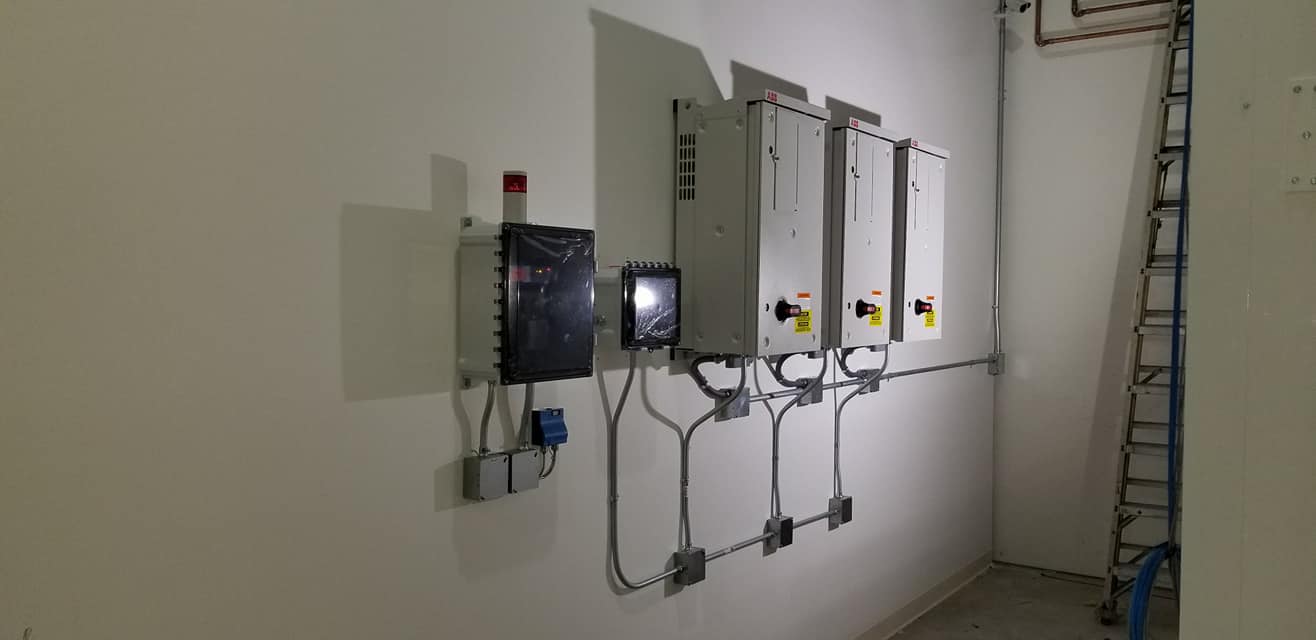
Finally, remember that modernizing an older electrical system is not just about fixing immediate problems. It is about ensuring the system can support the business reliably for years to come. A well-planned upgrade or new installation reduces downtime, improves safety, and makes it easier to adapt to future changes. The choice between the two depends on the specifics of the building and the business, but the goal is the same: a safe, code-compliant, and adequate electrical system.
When the existing infrastructure is sound and the load increase is small, upgrading the panel or adding circuits is a practical solution. When the system is old, undersized, or in poor condition, a new installation provides the peace of mind that comes with a fresh start. Either way, working with a qualified electrician who can assess the situation and recommend the right path is essential. There is no one-size-fits-all answer, but understanding the factors that drive the decision helps business owners make an informed choice.
In the end, modernizing an older electrical system is an investment in the business itself. Whether that happens through targeted upgrades or a full replacement, the result is a system that meets today’s demands and is ready for tomorrow’s.